Selection review
Torque, speed ratio, kW, service factor and L10 assumptions are checked against the application before a gearbox frame is recommended.
Our service model begins with the real mechanical load, not a catalog shortcut. Engineers review torque peaks, starts per hour, ambient temperature, mounting position, brake behavior and inverter duty before a selection is released. That keeps gearbox life, motor efficiency and controls commissioning tied together in one repeatable record for every OEM cell.
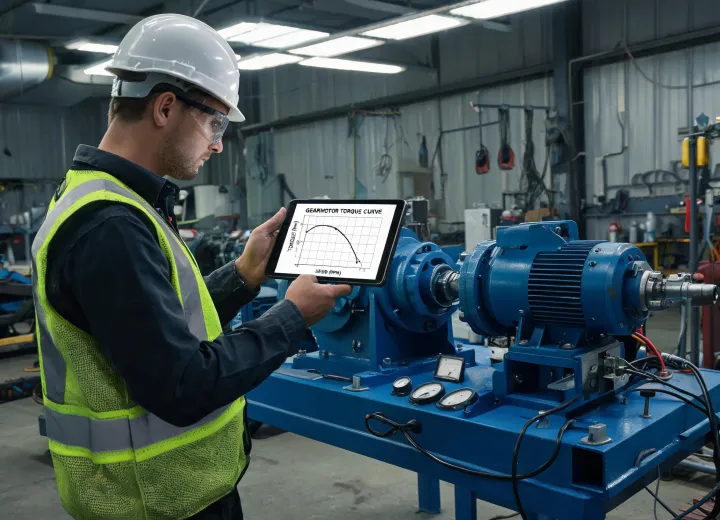
Torque, speed ratio, kW, service factor and L10 assumptions are checked against the application before a gearbox frame is recommended.
Regional hubs configure mounting position, brake voltage, terminal box orientation and inverter matching so replacement orders repeat cleanly.
Parameter sets for MOVI-C drives, ramp profiles and fault histories are organized for maintenance teams that need fast restart after installation.
When an old unit fails, serial data and measured shaft requirements are used to propose a drop-in replacement with documented differences.
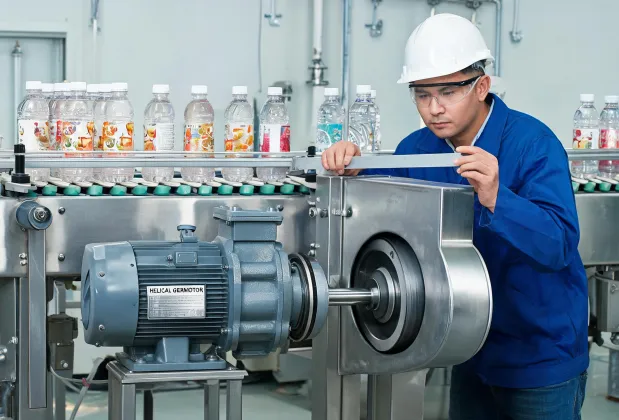
A European food and beverage group needed to replace mixed gearmotors across a packaging hall without redesigning guards or stainless supports. The review mapped existing shaft height, output rpm and brake voltage, then standardized three frame sizes. Maintenance now stores fewer spares, while the installed units still meet IE3 motor expectations and the required washdown routine.
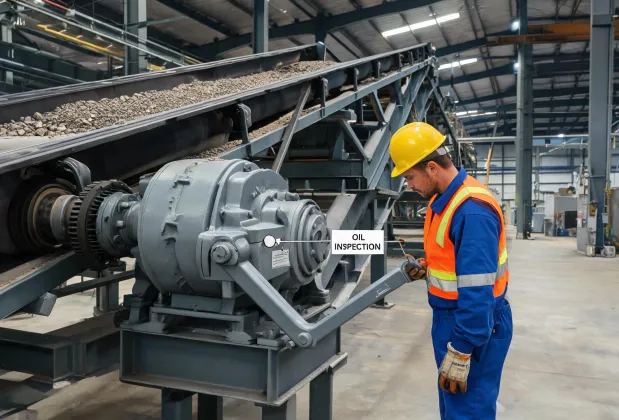
A mining materials handler was seeing repeated reducer temperature alarms during loaded starts. The service team rebuilt the selection around SF 2.0, thermal margin and inverter ramp time, then provided an updated brake and motor stack. The result was a calmer start profile, clearer oil inspection interval and fewer unplanned gearbox swaps during the high-load season.
We will review starts per hour, ambient conditions, shaft position, brake needs and controller expectations, then return a practical recommendation for OEM purchasing and maintenance teams.